Longevity Science in 2026: What the Research Actually Says
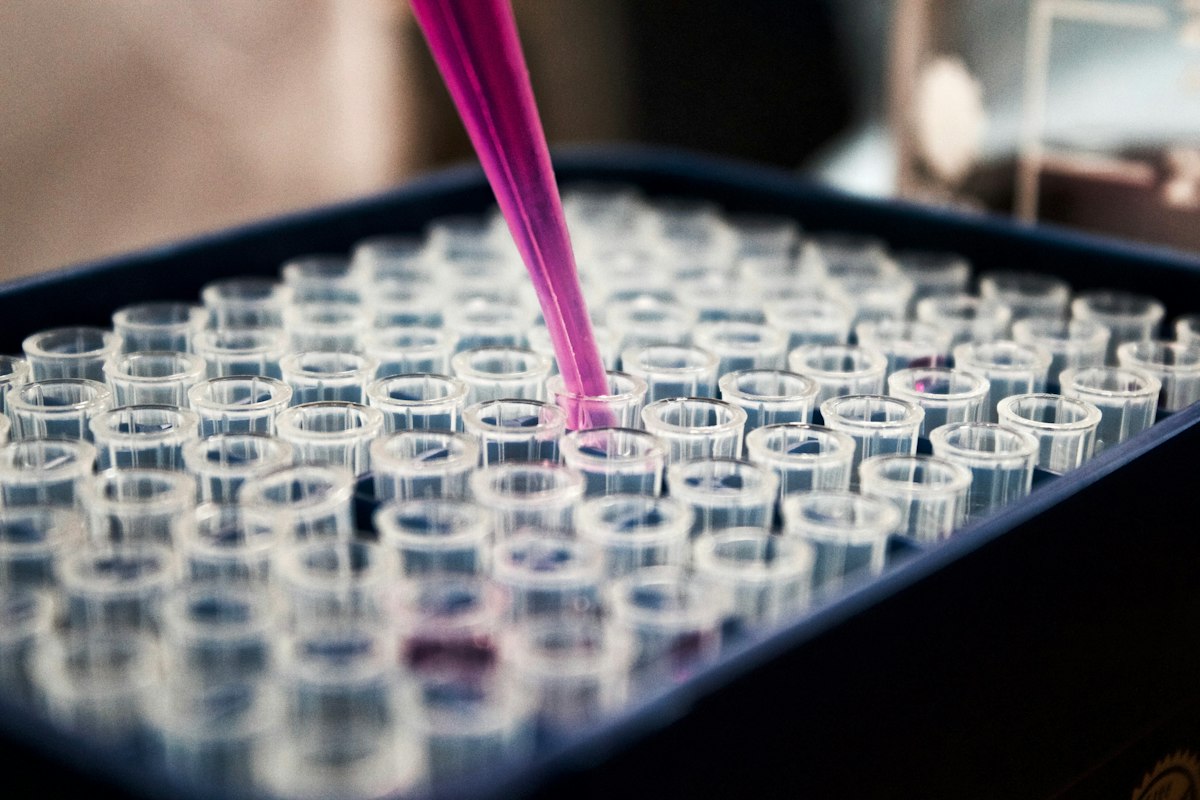
Between the hype and the skepticism lies a growing body of rigorous research. We separate the science from the supplements.
The State of the Field
Longevity research has matured considerably since the biohacking boom of the early 2020s. The field is increasingly divided between interventions with strong evidence and those riding waves of social media enthusiasm. Understanding this distinction has never been more important, as consumers now spend an estimated $62 billion annually on anti-aging products and services.
What the Evidence Supports
The interventions with the strongest evidence base remain remarkably unsexy: caloric restriction (or time-restricted eating), regular cardiovascular exercise, adequate sleep, and stress management. A 2025 meta-analysis in Nature Aging confirmed that these lifestyle factors account for approximately 80% of the variance in biological age markers.
Among pharmaceutical interventions, rapamycin analogs show the most consistent results in extending healthspan across multiple model organisms. The PEARL trial (Participatory Evaluation of Aging with Rapamycin for Longevity) is now in Phase 2b with promising early results in human subjects, particularly for immune function in older adults.
The Supplement Question
NMN and NR (NAD+ precursors) continue to generate headlines, but the human evidence remains mixed. While animal models consistently show benefits, the largest human trial to date (NOVA, n=1,200) found modest improvements in some biomarkers but no significant change in composite aging scores. The dose-response relationship appears non-linear, and individual variation is enormous.
Metformin's TAME trial results, expected in late 2026, may be the most consequential data point for the field. If positive, it would be the first FDA-acknowledged aging intervention and could fundamentally change how aging is classified medically.
Details
- Author
- Priya Sharma
- Category
- Health
- Tone
- Academic
- Target Words
- 2,500
- Actual Words
- 1,850
- Created
- Feb 17, 2026
SEO
Meta Title
Longevity Science 2026: Separating Evidence from Hype
Meta Description
A rigorous look at what longevity research actually supports in 2026 — from rapamycin to NMN to lifestyle interventions.
Keywords
AI Analysis
Overall Confidence